
When it comes to energy outreach, many organizations assume that translation alone is the solution. Provide materials in multiple languages, and the job is done. But if the goal is genuine engagement, multilingual outreach is only the starting point. What’s often missing is cultural relevance, the understanding that people don’t just need information in their language, they need information in their world.
Energy programs touch deeply personal aspects of people’s lives, where they live, how they travel, how they power their homes, and what they can afford. Cultural values, lived experiences, and community dynamics influence these decisions. For example, messages about EV adoption framed around environmental stewardship may resonate with some audiences, but fall flat in communities where economic savings or family health are the more potent motivators.
Simply translating a flyer into Spanish, Hmong, or Mandarin doesn’t capture these nuances. True outreach requires listening, co-creation, and storytelling that reflects a community’s priorities and identity.
At REACH, we’ve seen firsthand how cultural relevance can transform program success. Consider these takeaways:
- People are more likely to act on information delivered by leaders and organizations they already know. Partnering with community-based groups and local champions makes outreach more authentic.
- The same incentive program can be framed in multiple ways, highlighting affordability for one audience, health benefits for another, or community pride for a third.
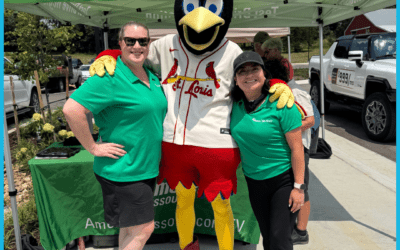
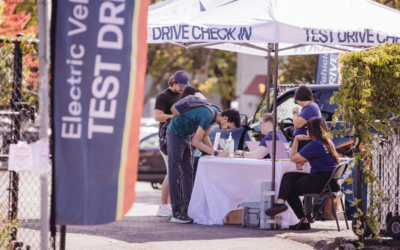
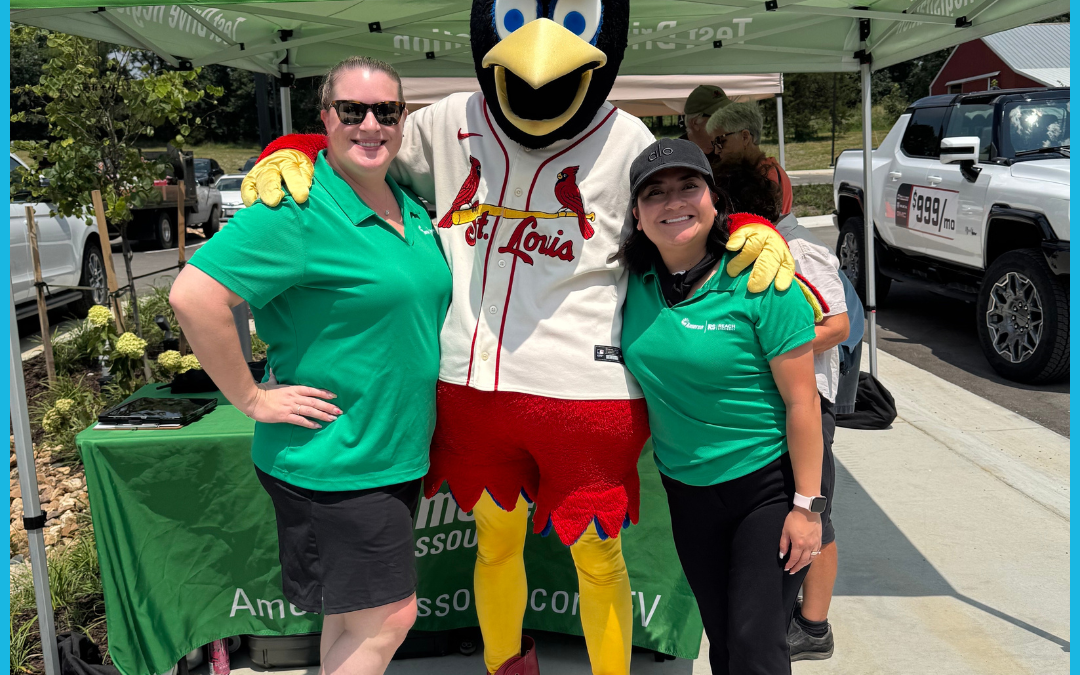
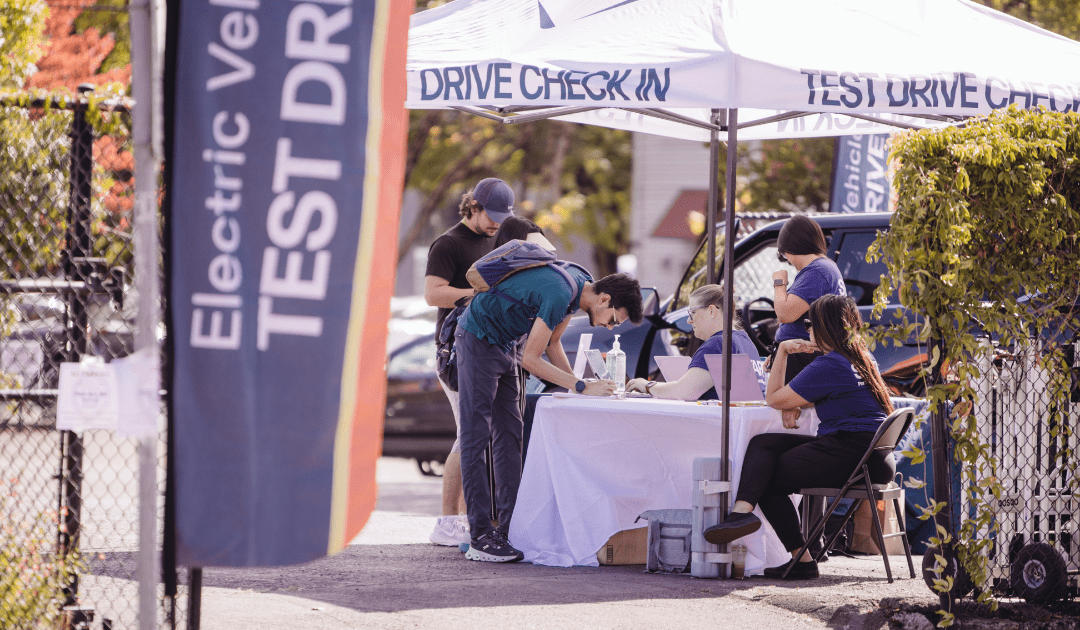
- Reaching people means meeting them where they are, whether that’s a neighborhood festival, a faith-based event, or a social media page or group.
When outreach feels like a conversation rather than a broadcast, participation increases, and barriers break down.
As utilities, agencies, and advocates invest in innovative energy solutions, we must recognize that equity and effectiveness depend on more than multilingual translation. They depend on cultural fluency.
Cultural relevance turns information into action. It ensures that families understand not just what opportunities exist, but also why they matter to them personally and how they can participate.
At REACH, we believe the future of energy is built with communities, not just for them. That means building outreach strategies rooted in cultural understanding, trust, and shared values, so that every household sees itself in the transition to cleaner, smarter energy.
Want to talk more to us about our unique and proven approach? Reach out!