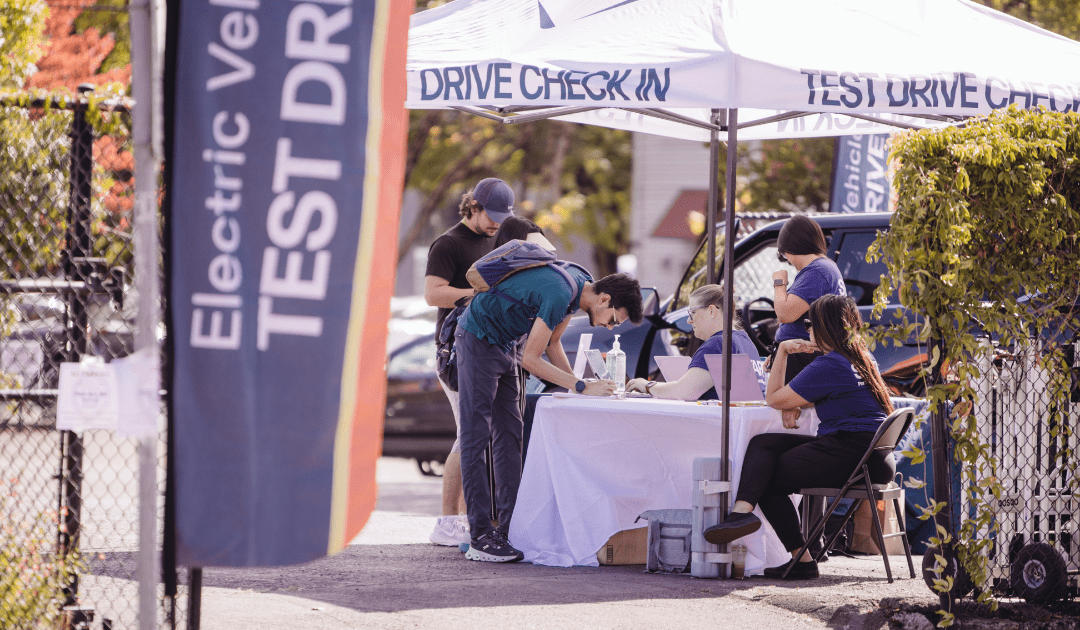
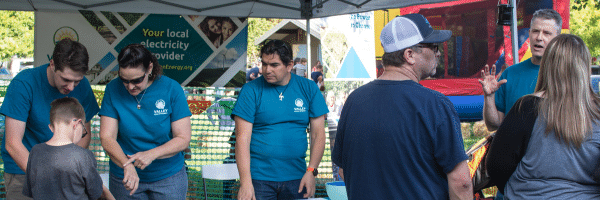
Most organizations that work with the public know the cycle. You plan the open house, staff the booth, print the flyers, and count the sign-ups. The event goes well. Then the next one starts from zero. That’s because no single event, flyer, or booth conversation builds lasting trust on its own. Trust accumulates conversation by conversation, over months and years.
Whether you’re an energy provider launching a new program, a city introducing a policy change, or a nonprofit asking residents to try something new, your relationship with the community is the sum of every interaction that came before.
People remember how you made them feel
Residents may not remember the specific program you mentioned or the brochure they took home. What they do remember is how the interaction felt: whether you respected them, informed them, and took them seriously.
That’s why the small touchpoints matter as much as the big ones. A rushed answer at a farmers market table, a representative who can’t explain the basics, or a follow-up that never arrives each quietly subtracts. A patient explanation, a straight answer to a skeptical question, or a promised callback that actually happens each adds.
Every conversation either builds your reputation in the community or chips away at it.
Trust is built through repetition
Lasting trust comes from consistency: hundreds of conversations that reflect your organization’s mission and values, delivered by people who take each one seriously, every time.
The hundredth conversation of a long event day deserves the same care as the first. The tenth event of a campaign deserves the same preparation as the launch. Communities notice when an organization shows up the same way again and again, and they notice when it doesn’t.
Rethinking how we measure engagement
Many engagement strategies are judged by reach: how many people attended, how many flyers went out, how many sign-ups came in. Those numbers matter, but they aren’t the real measure of success.
The better question is whether the cumulative effect of all those conversations left your community with a stronger, more trusting relationship with your organization. An event that reaches hundreds of people but leaves them feeling like sales targets can do more harm than good. One that reaches fewer people but earns their confidence lays the groundwork for every program that follows.
A few ways to build for that longer arc:
- Treat every event as a chapter, not a standalone. Plan how each one connects to what came before and what comes next.
- Train for consistency. Everyone representing you should be able to explain your mission, answer common questions, and know when to say “let me find out for you.”
- Follow through. A promised callback or resource is a small commitment with an outsized effect on trust.
- Listen as much as you talk. The questions and concerns you hear in the field should shape your next round of outreach.
How we approach it at REACH
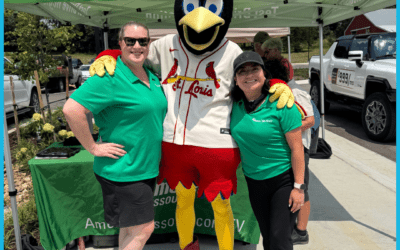
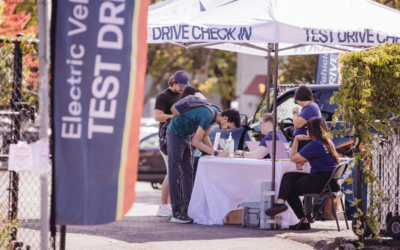
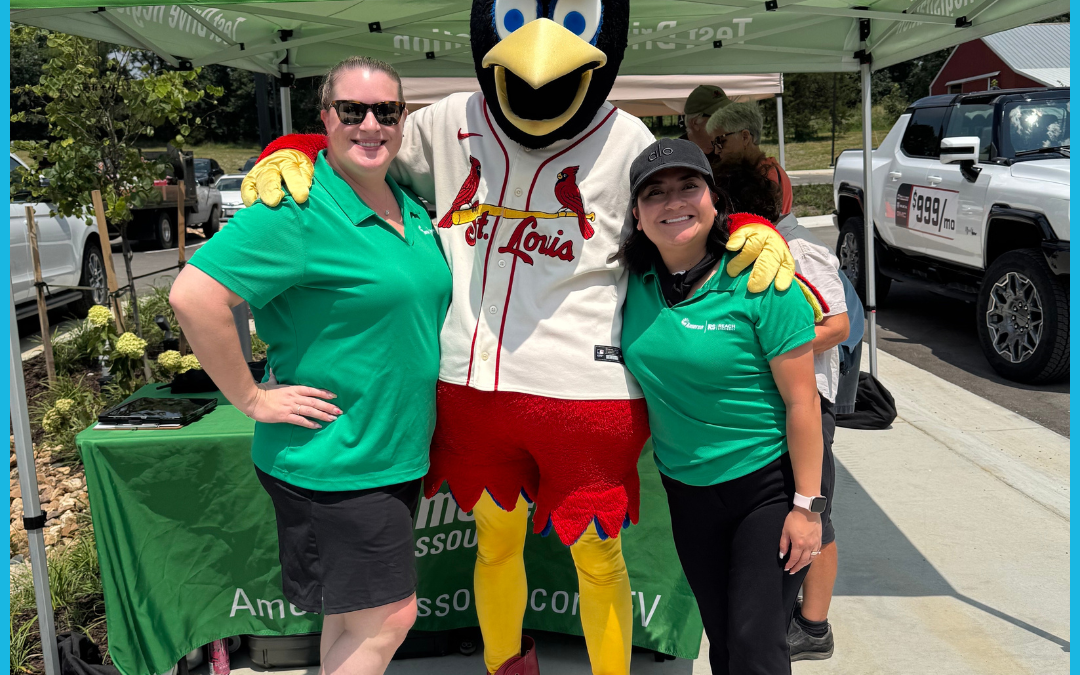
At REACH, we build engagement strategies with that long arc in mind. We train our teams to represent our partners with the same consistency and care in the hundredth conversation as in the first, so every event contributes to the relationship rather than standing alone.
That means consistent representation, consistent follow-through, and a field presence built to compound trust throughout a campaign and beyond.
If that’s the kind of partnership your organization has been missing, let’s talk about what it could look like for your team.