A recent national poll released by the EVs for All America group suggests that many potential EV buyers aren’t especially motivated by messaging that centers on climate benefits. Some respondents even described climate change as “overhyped.”
Instead, the clearest signal from the data is this: people want EV conversations to focus on what drivers actually experience: performance, convenience, cost savings, and the everyday realities of owning and driving electric.
At REACH, this isn’t surprising. It’s confirming.
For years, our work in communities across the country has pointed to the same conclusion. EV adoption doesn’t hinge on abstract arguments or moral framing. It hinges on whether people can see how the technology fits into their lives and whether they trust the source delivering the message. So when the poll shows that consumers respond better to real-world benefits than to “green” messaging, we don’t see a setback. We see additional evidence backing what communities have been telling us all along.
The deeper takeaway isn’t that people don’t care about climate. It’s that people don’t want to feel marketed to. Instead, they want to feel understood. And that understanding is built locally, through experience and trust, not through one-size-fits-all campaigns.
For years, the public conversation around EVs has leaned heavily on education: provide the facts, explain the benefits, and assume behavior will follow. But adoption doesn’t work that way. It’s shaped by visibility, social norms, and confidence that the infrastructure is there to support daily use.
The EVs for All Americans poll reinforces this reality. Respondents across both red and blue states pointed to the same path forward: move away from ideological framing and toward tangible, practical attributes that make electric driving feel normal.
That normalization happens at the community level.
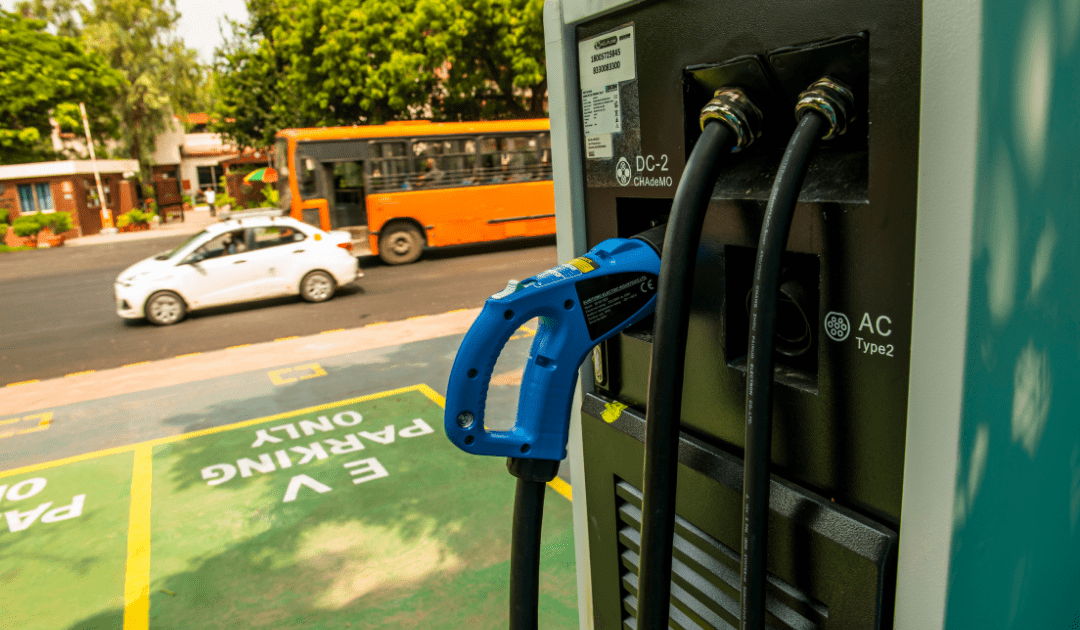
People respond when they hear what EV ownership is actually like: quiet rides, smooth acceleration, lower maintenance, and the convenience of charging at home. This isn’t about hype; it’s about quality-of-life improvements people can picture. The poll’s emphasis on multifamily housing underscores this point. Expanding overnight Level 2 charging in apartments and condos isn’t just a market opportunity; it’s a community planning priority.
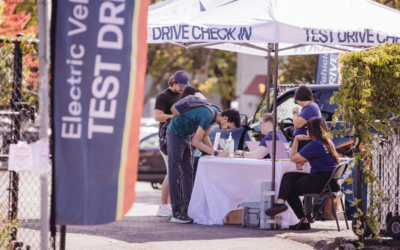
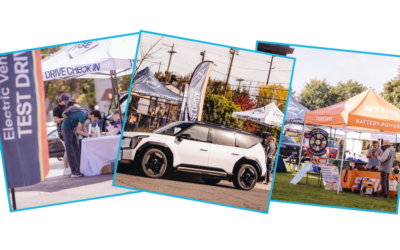
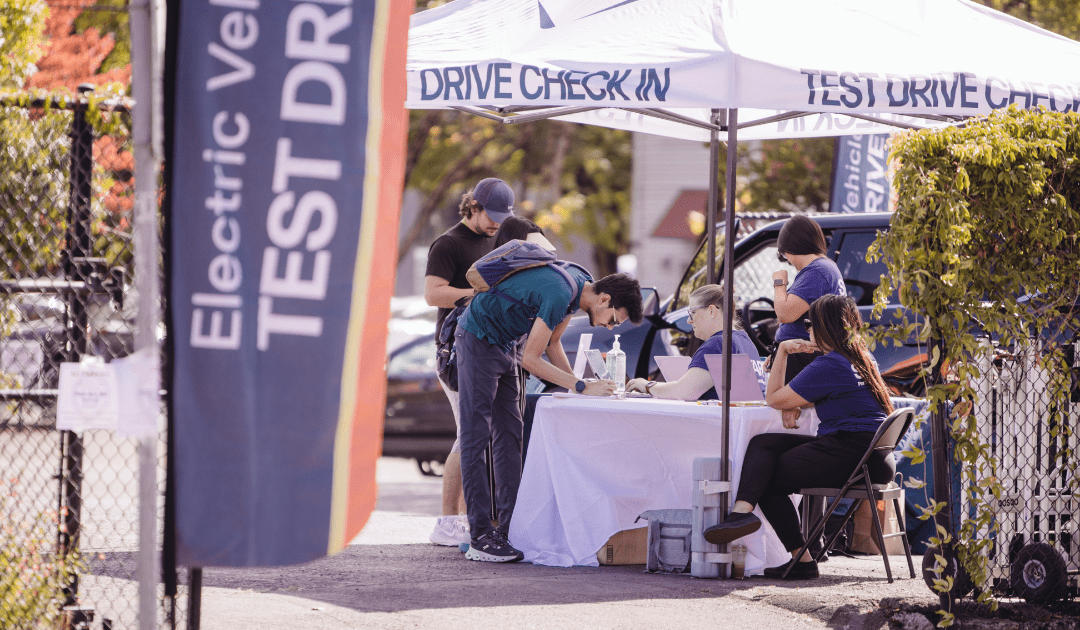
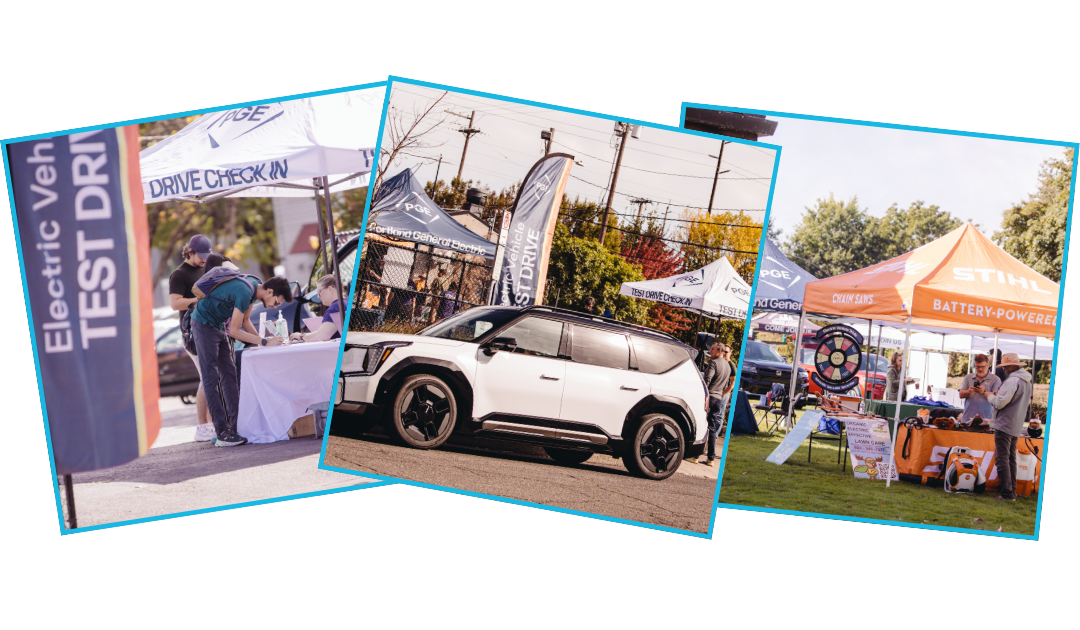
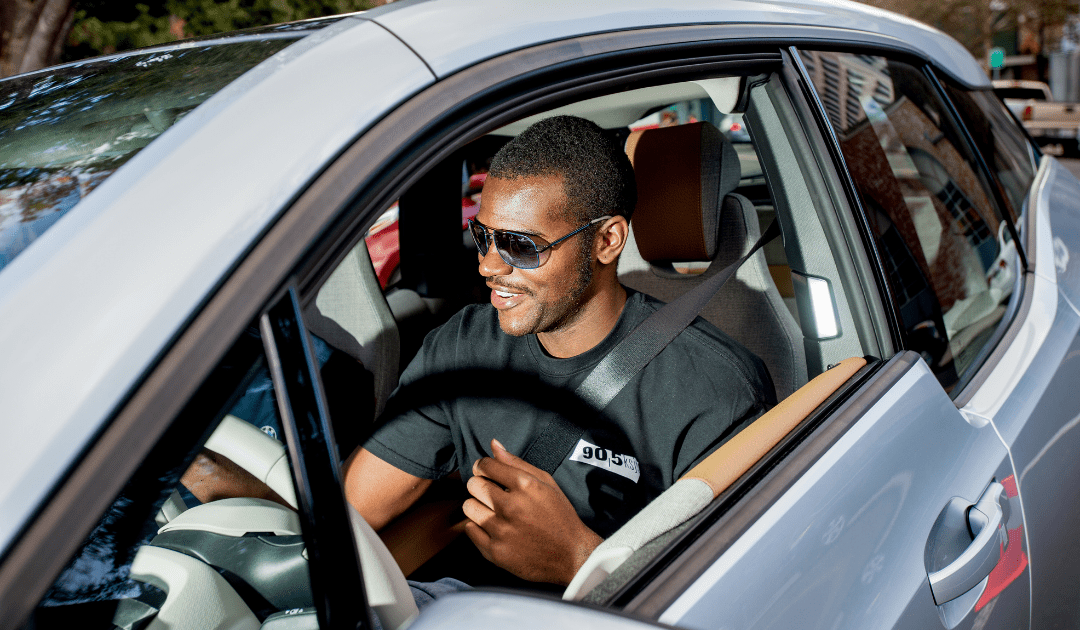
Trust matters more than persuasion. And trust grows when a neighbor drives an EV, when someone local can answer questions without judgment, and when people can experience the technology for themselves. When EVs stop being a subject of debate and become part of everyday life, adoption follows.
Thinking ahead, here are a few other highlights from the poll REACH has already been tracking closely:
- Younger drivers continue to lead EV adoption, and that trend will grow as younger consumers gain more market share.
- Incentives matter, and the loss of the federal EV tax credit could cool short-term consumer interest.
- The middle is bigger than it looks: when pricing, infrastructure, and performance are part of the conversation, partisan gaps shrink.
The bottom line is clear. People don’t want EVs presented as a moral position. They want EVs to make sense in their daily lives. For 2026, a winning strategy focuses on community visibility, trusted messaging (and messengers), real-world experiences, and practical infrastructure improvements that support everyday use.
At REACH, we’ve long believed that the future of electric transportation won’t be built by winning arguments; it’ll be built by building community.