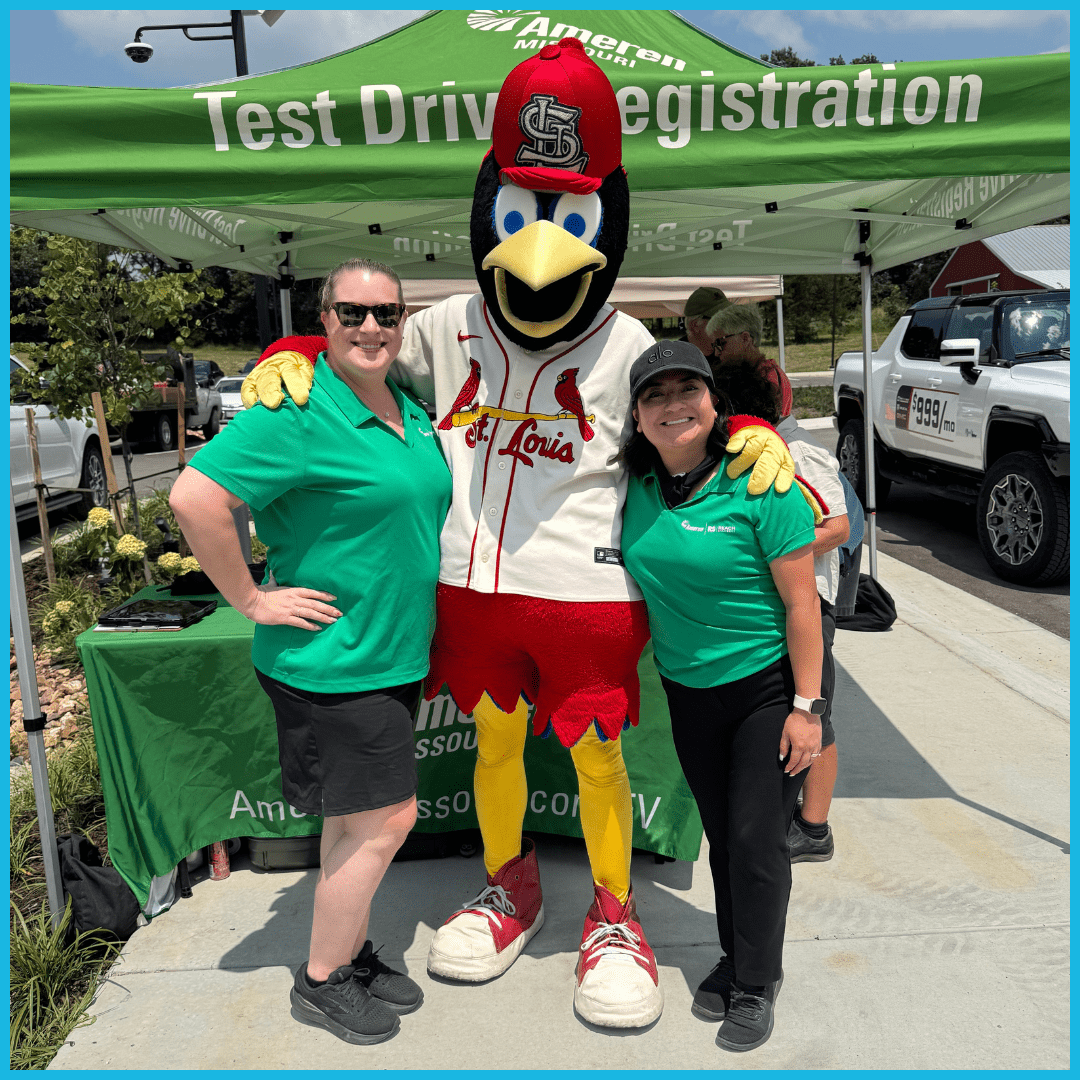
It’s tempting to treat community engagement like a numbers game (more booths, more flyers, more hands shaken, more names on a sign-in sheet). On paper, that looks like progress. In practice, it rarely moves anything that matters.
Here’s why: a resident doesn’t walk away from an event remembering how many people were staffing it. They remember the one conversation that felt real, the one where someone actually listened, gave them a straight answer, and left them feeling like the conversation was worth having again.
That’s the real difference between staffing an event and representing an organization.
Staff hand out material. Ambassadors build relationships.
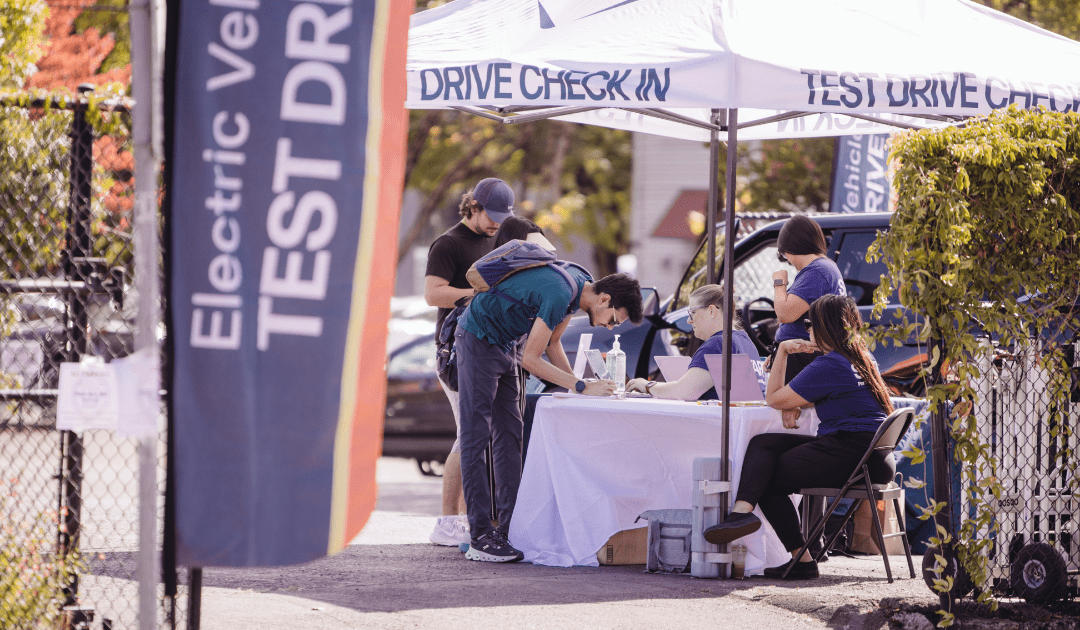
Anyone can stand behind a table and pass out brochures. That’s staffing. It fills a slot and checks a box, but it doesn’t do much to change how someone feels about your organization.
An ambassador is a different thing entirely. Ambassadors build relationships. They answer the real questions people actually have, not just the ones printed on the handout. They respond to skepticism with credibility instead of a rehearsed line. And they leave people with a genuine sense of who your organization is, not just what it’s called.
That distinction matters because of a simple truth most organizations don’t think about often enough: every representative in the field is, in that moment, the face of your organization.
In the moment, there’s no “technically”
When someone strikes up a conversation at a community event, they’re not thinking about staffing logistics, vendor contracts, or who’s technically standing behind the table. As far as they’re concerned, they’re talking to you: your organization, your mission, your word.
That means an inconsistent answer, an unprepared response, or someone who just seems checked out doesn’t reflect on “the person at the booth that day.” It reflects on the organization itself, full stop, regardless of who was technically standing there.
That’s exactly why quality control in community engagement isn’t a nice-to-have. It’s core to protecting the trust an organization has spent years building, because that trust can take one bad conversation to dent, and a long time to repair.
Why this is worth getting right
Community engagement is often one of the only times a resident interacts with an organization as a real person rather than a logo on a bill or a name in the news. That makes it high-leverage: done well, it builds the kind of goodwill that no ad campaign can buy. Done poorly, it confirms every skeptical assumption someone walked in with.
At REACH, we build our field programs around that reality. We don’t provide temporary staffing, we provide experienced communicators who understand how relationships with a community are actually built, and we treat every one of them as an extension of the organizations we represent. That means real investment in who we put in the field: people who can hold a genuine conversation, respond to hard questions with credibility, and meet the same standard of professionalism a resident would expect from the organization’s own team, backed by real preparation and oversight before they ever work an event.
Because at the end of the day, an organization’s reputation isn’t protected by how many people show up to represent it. It’s protected by who those people are, and how well they’re prepared to represent it well.
Because in the end, the flyer was never going to build trust. A person can.