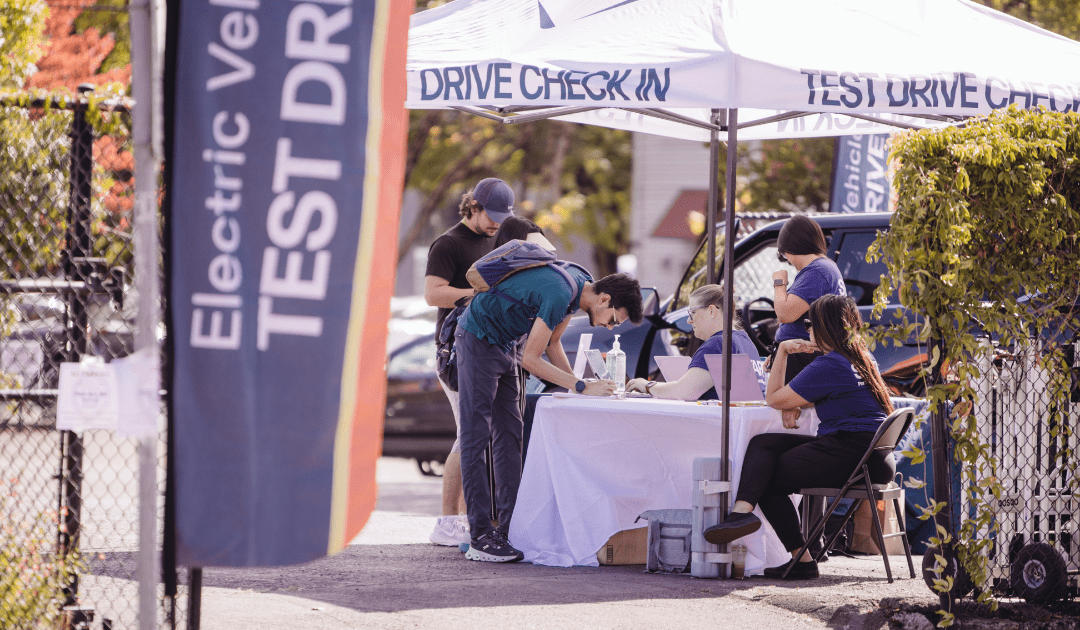
Most people, if you stopped them at a farmers market or a community open house, couldn’t tell you what the organization behind the booth next to them actually does. That’s true for a lot of mission-driven groups: nonprofits, local agencies, energy providers, you name it. And the instinct is almost always to fix it with more information: another flyer, another mailer, another line on a website nobody visits.
But that’s treating the wrong problem. If people don’t know who you are or what you do, that’s not an awareness gap. It’s a trust gap. And you don’t close a trust gap with more paper; you close it with the right person, at the right table, saying the right thing, at the right moment.
The whole relationship rides on one conversation
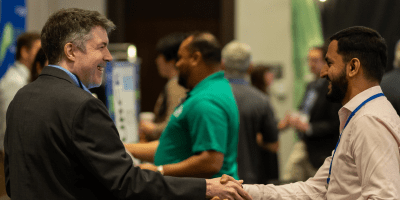
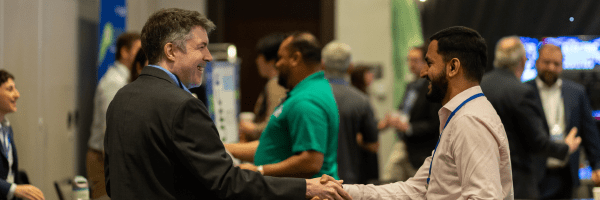
Here’s what makes this hard: at an open house, a booth, or a community meeting, someone decides almost instantly, in the first few seconds, whether to stop and engage or keep walking. That decision happens before your organization has said a single meaningful word.
For organizations that already carry some baggage in the public’s mind (utilities are a good example, but so are local governments, insurers, or anyone people associate with bureaucracy), that first impression carries extra weight. Show up rushed, overly formal, or clearly reciting a script, and you don’t just miss a chance to connect. You confirm exactly the impression the person walked in with.
Get that moment right, though, and something real happens: a stranger becomes someone who trusts your mission. That’s not a small thing. It’s brand equity, built one honest exchange at a time, and it’s the kind of thing that’s genuinely hard to buy any other way.
Presence beats polish
The representatives who break through in those first few seconds aren’t the ones with the smoothest pitch. They’re the ones who seem genuinely present, who listen first, pick up on what the person in front of them actually cares about, and respond to that instead of launching into a program overview nobody asked for.
That takes a different kind of preparation than most outreach training provides. It’s less about memorizing talking points and more about reading a person’s interest level in real time and adjusting: sometimes that means a genuine two-minute exchange and a warm goodbye, and sometimes it means a longer conversation about something specific they care about. Either way, it’s judgment, not a script.
Why this shouldn’t be left to chance
Given how much weight one conversation can carry, it’s worth asking who’s actually representing your organization at that table, and whether they’re set up to succeed in those first ten seconds.
That’s the gap REACH exists to close. We put trained communicators in the field who know how to turn ten seconds into a real conversation, and a real conversation into something you can actually measure. For teams that are stretched thin and can’t be everywhere at once, that means one less thing to worry about. You can stop wondering who’s representing you at the next event, and put your energy into strategy instead.
Because in the end, the flyer was never going to build trust. A person can.